
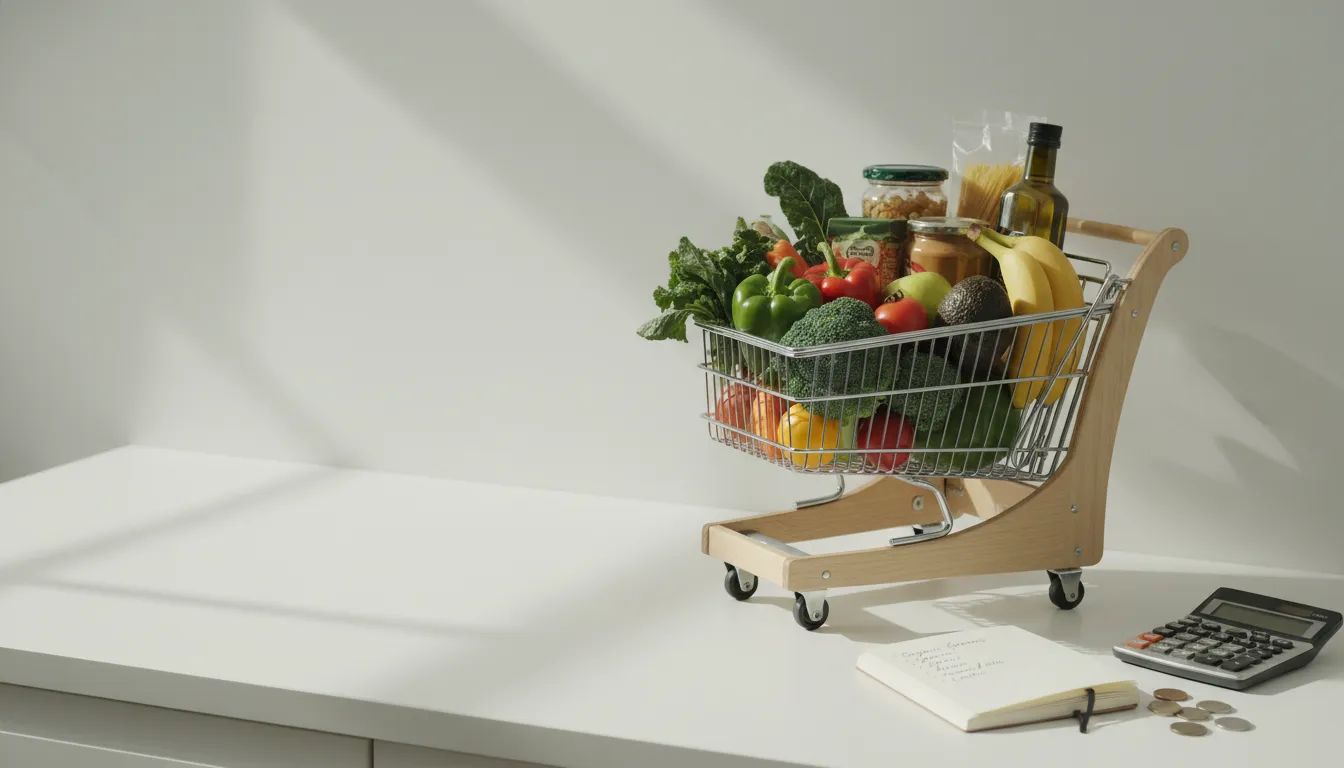
Why Supermarkets Are Still a Major “Hole” in Family Budgets
Have you ever reached the supermarket checkout and been surprised by the total amount? This happens to most Brazilian families. Spending on food and hygiene products increasingly strains budgets, especially with constant food price adjustments. According to IBGE data, spending on food both outside and inside the home represents one of the largest portions of budgets for low- and middle-income families in Brazil — and the supermarket is where much of this money goes.
The good news is that saving on groceries doesn’t mean deprivation or sacrificing quality. It means, above all, shopping consciously and strategically. Small habit changes can mean hundreds of reais less per month — money that can be redirected to pay off debts, build an emergency fund, or invest in the future.
In this article, you’ll learn practical strategies based on consumer behavior and financial planning to reduce market spending without compromising your family’s nutrition. No magic tricks: just organization, attention, and some simple habits that make a real difference.
Planning Before Leaving Home: The Most Important Step
Most money waste at the supermarket happens before you put a single product in the cart — or rather, due to a lack of planning before leaving home.
Create a Weekly Menu
Planning what your family will eat during the week is the first step to more efficient shopping. With a set menu, you know exactly what ingredients you need, avoid buying items that will spoil in the fridge, and don’t need to resort to last-minute deliveries — which usually cost much more.
Make a List and Stick to It
With the menu in hand, write the shopping list. Organize by category (produce, dairy, meats, cleaning, etc.) to make the market trip easier and avoid getting lost in the aisles — where temptations are many and shelf marketing is calculated to make you buy impulsively.
Practical Tips:
- Check the pantry, fridge, and freezer before making the list.
- Note the necessary quantities to avoid overbuying.
- Use shopping list apps on your phone — prevents forgetfulness and facilitates organization.
- Never go to the supermarket hungry: consumer behavior studies show that hungry people tend to spend significantly more.
Research Prices Before Buying
In 2026, researching prices is easier than ever. Supermarket apps, price comparison websites, and even neighborhood WhatsApp groups share promotions in real-time.
How to Compare Prices Efficiently
- Check the digital flyers of supermarket chains in your area before leaving home.
- Compare the price per unit or per kilo, not just the total package price. A product in a larger package may seem more expensive but cost less per gram.
- Switch between supermarkets for specific items can lead to real savings. Some chains have better prices on produce; others, on cleaning products.
- Pay attention to the price per 100g or 100ml — by law, many packages must display this information, facilitating fair comparison between different sizes.
Store Brands and Equivalent Products: Quality Without Paying for the Label
One of the most effective and least used strategies is replacing well-known brands with supermarket own brands or lesser-known brands with equivalent composition.
Products like rice, beans, sugar, flour, salt, oil, and many cleaning items have own-brand versions that go through the same regulatory processes required by Anvisa. The price difference can easily reach 20% or 30% — with no real quality difference for the consumer.
What Is Worth Comparing:
Category Is It Worth Comparing Brands? Observation Rice, beans, sugar Yes Practically identical composition Olive oil With caution Check acidity and category on the label Cleaning products Yes Product concentration is what matters Medicines (generics) Yes Same active formula, regulated by Anvisa Cheeses and cold cuts With attention Compare ingredients on the label The tip is simple: read the ingredients and nutritional information before deciding. Often, the cheaper product has the same composition as the more expensive one.
Bulk Purchases, Seasonality, and the Power of the Market
Take Advantage of Food Seasonality
Fruits, vegetables, and legumes are much cheaper when in season. A kilo of strawberries out of season can cost three times more than during the harvest. Knowing which foods are in season — and adapting the menu to it — is one of the smartest ways to save without sacrificing nutrition.
Street Markets as an Alternative to Supermarkets
Neighborhood markets usually offer fresher and cheaper produce than supermarkets, especially in the last minutes before closing, when vendors often make promotions to avoid carrying merchandise back.
Bulk Purchases
Cereals, grains, nuts, and spices sold in bulk allow you to buy exactly the amount you need, avoiding waste and paying less by not financing packaging and marketing.
Control Impulse Spending and “Invisible Villains”
The supermarket is an environment designed to stimulate unplanned purchases. Products in entrance aisles, items positioned at eye level, “buy 3, pay for 2” promotions, and products near the checkout are deliberate marketing strategies.
How to Resist Traps:
- Stick to the list. If it’s not on the list, question before putting it in the cart: is it necessary now?
- Be wary of volume promotions. “Buy 3, pay for 2” is only advantageous if you will really use all three items before they expire.
- Avoid unnecessary aisles. The more time you spend in the market, the more you spend.
- Pay with a method that gives you clarity. Whether by debit, credit, or pix, the important thing is to record the expense and not lose control. A credit card can be an ally if paid in full on the invoice — but becomes a trap when leading to high-interest installments.
If you struggle to control spending and it has impacted bill payments, it may be helpful to better understand how to negotiate overdue debts and get out of the red before the situation worsens.
Use Loyalty Programs and Cashback Wisely
Many supermarket chains offer points programs, progressive discounts, and cashback. These benefits are real — as long as you don’t buy more than you need just to accumulate points.
How to Use Without Falling into the Trap:
- Sign up for programs of the chains you already frequent regularly.
- Use the points or discount balance on regular purchases, not as an excuse for extra purchases.
- Credit cards with supermarket cashback can be advantageous if the invoice is paid in full every month. Installments with interest nullify any benefit.
- Compare if the “exclusive discount for clients” is really lower than the price in other chains.
Reduce Waste: Savings Start at Home
According to the United Nations Food and Agriculture Organization (FAO), Brazil is one of the countries with the highest food waste rates. Throwing food away is literally throwing money away.
Practices to Waste Less:
- Store correctly: know which foods go in the fridge, which stay at room temperature, and how to preserve each one.
- Use the FIFO technique (first in, first out): always place the oldest products at the front of the fridge or pantry, to consume them first.
- Reuse leftovers creatively: yesterday’s rice becomes a fritter, wilted vegetables become soup.
- Freeze with awareness: meat, bread, ripe fruits, and even cooked rice can be frozen and used later.
Conclusion: Small Habits, Real Results

Saving at the supermarket doesn’t require extreme sacrifices. It requires, mainly, planning, attention, and consistency. A well-made list, a weekly menu, price comparison by kilo, and waste reduction are enough to generate significant savings over the month.
Every real saved on groceries can be directed to more important goals: paying off a debt, building your emergency fund, or starting to invest. The supermarket doesn’t have to be the enemy of your budget — just enter it with a strategy.
If you feel that expenses are out of control and your name has been negatively affected by accumulated debts, know that there is a way back: check out our guide on how to clear your name with Serasa step by step and take the first step to reorganize your financial life.
This content is for educational and informational purposes only. It does not constitute investment recommendation, personalized financial advice, or legal advice. For significant financial decisions, consult a qualified professional or investment advisor duly registered with the Securities and Exchange Commission (CVM).
- Use the FIFO technique (first in, first out): always place the oldest products at the front of the fridge or pantry, to consume them first.
- Compare if the “exclusive discount for clients” is really lower than the price in other chains.
- Be wary of volume promotions. “Buy 3, pay for 2” is only advantageous if you will really use all three items before they expire.
- Compare the price per unit or per kilo, not just the total package price. A product in a larger package may seem more expensive but cost less per gram.
- Check the digital flyers of supermarket chains in your area before leaving home.
